Breathe Easy: Low-VOC Choices for a Healthier, Beautiful Home

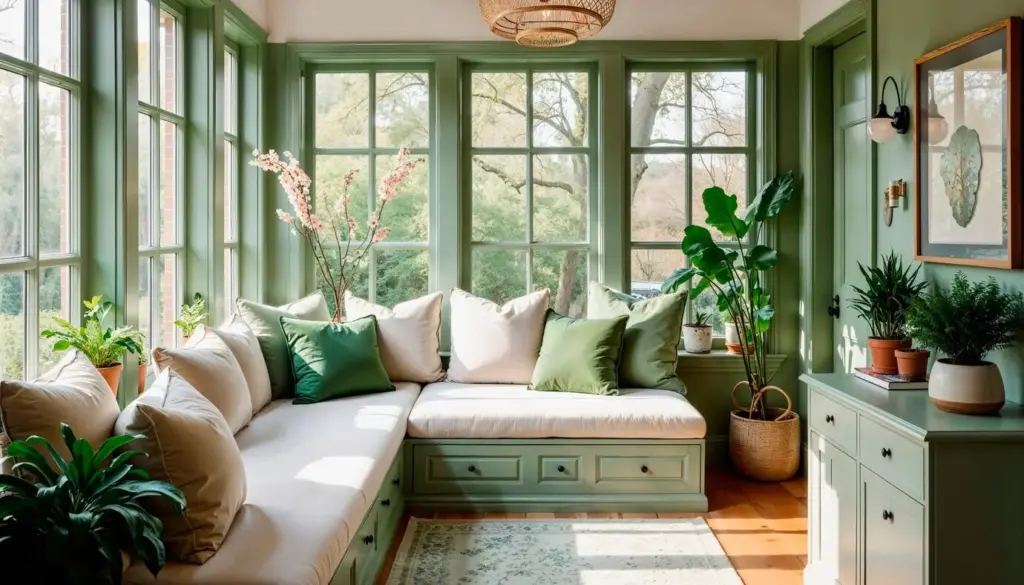
Today we explore low-VOC design choices and eco-friendly decor that protect indoor air while celebrating comfort, color, and character. Expect clear guidance on materials, labels, routines, and styling that lower fumes noticeably. Share your questions in the comments, subscribe for fresh inspiration, and tell us which room you’ll refresh first to feel a cleaner, calmer difference.

Why Fewer Fumes Matter at Home

Volatile organic compounds sneak from paints, finishes, glues, and furnishings, then linger in enclosed rooms where we sleep, work, and play. Reducing these emissions can ease headaches, wheezing, and fatigue while supporting sensitive family members. You’ll learn how small, smart swaps compound, turning daily breathing into a quieter, healthier rhythm without sacrificing beauty or personal style.

Safer Surfaces: Paints, Finishes, and Adhesives

Surface chemistry strongly influences indoor air because walls, floors, and trim occupy massive area. Fortunately, modern low- and zero-VOC paints, waterborne finishes, and improved adhesives deliver durable performance without harsh odors. We’ll show how to select formulas, manage tint colorants, and schedule ventilation, so your freshly updated space feels welcoming immediately, not weeks later.

Furniture, Foam, and Fabrics That Breathe Easier

Furnishings can silently off-gas for months, especially pieces built from composite woods, synthetic foams, and heavily treated fabrics. Opting for solid wood, natural latex, and certified textiles cuts emissions dramatically. You’ll still get comfort and longevity, with tactile warmth that ages beautifully. Favorites often become heirlooms, proving cleaner materials can be both practical and emotionally resonant.

Solid Wood Over Particleboard

Choose solid wood or plywood meeting CARB Phase 2 or TSCA Title VI standards, then finish with low-emission oils or waterborne coatings. Ask manufacturers for formaldehyde-free resins. Classic joinery outlasts glued corners, reducing repairs and fumes. Vintage solid-wood pieces, already off-gassed, can be lightly refinished, delivering timeless character without introducing a wave of new chemicals.

Textiles That Don’t Off-Gas

Favor natural fibers like organic cotton, linen, hemp, and wool with GOTS or OEKO-TEX certifications. Beyond fewer emissions, they regulate temperature and feel great against skin. Wash new textiles before use to remove finishing residues. If stain repellents are needed, choose fluorine-free alternatives and spot-clean gently. Layer textures for depth, letting breathable materials elevate comfort and serenity.

Cushions and Mattresses with Cleaner Chemistry

Seek CertiPUR-US foam or natural latex free from unnecessary flame retardants and strong solvents. Encasing layers in cotton or wool helps with moisture and temperature. Allow boxed mattresses to air out in a well-ventilated room before sleeping on them. This simple practice, paired with verified certifications, keeps bedrooms calm, supportive, and refreshingly neutral on smell-sensitive nights.

Healthy Footing: Floors and Rugs with Low Emissions

Because floors touch every step, getting them right prevents constant, close-range exposure. Solid hardwood with waterborne finishes, cork, and real linoleum offer reliable, low-emission performance. If carpeting fits your lifestyle, certified low-emitting options and natural fiber rugs can keep things soft without stuffiness. Installation choices and timing determine how quickly a space feels breathable again.

Hard Surfaces with a Gentle Impact

Prefinished hardwood with UV-cured coatings saves on-site fumes and speeds move-in. Cork cushions sound while remaining warm underfoot, and real linoleum combines linseed oil, wood flour, and jute for time-tested durability. Choose adhesives with verified low VOCs, and request ventilated storage before installation. Maintenance is straightforward: damp mop, mild soaps, and felt pads to guard longevity.

Area Rugs and Carpets That Pass the Sniff Test

Look for Green Label Plus certifications on broadloom and pads, or choose natural fiber rugs like wool, jute, and sisal with minimal treatments. Air out new pieces outdoors or in a garage when weather allows. Vacuum with a HEPA-equipped machine regularly. Underlays matter—pick low-emission felt or natural rubber to prevent a hidden source from undermining your efforts.

Ventilate, Purify, and Maintain for Lasting Benefits

Great material choices shine when paired with smart airflow, filtration, and care. Cross-ventilation, range hoods vented outside, and bathroom exhaust fans move pollutants out quickly. Add MERV 13 filters to central systems or portable HEPA plus carbon purifiers. Gentle cleaning products keep progress intact, making fresh air a daily habit instead of a renovation-only ritual.

Air Changes and Filter Choices That Work

Aim for regular air changes by opening opposite windows for short, energetic bursts, especially after painting or deliveries. In central systems, upgrade to MERV 13 if compatible; otherwise add room purifiers with HEPA and activated carbon. Replace filters seasonally. Small routines, repeated consistently, outperform occasional deep interventions and keep rooms feeling newly aired long after projects finish.

Managing Off-Gassing with Time and Space

Let new items breathe in a spare room or garage with fans running, then move them in once initial odors fade. Unbox mattresses and cushions early. Avoid the so-called “bake-out” myth; high heat can damage finishes. Instead, combine steady ventilation, moderate temperatures, and patience. Light, repeated airing ramps comfort without risking material performance or indoor humidity balance.

Plants, Humidity, and the Truth About Natural Helpers

Houseplants are uplifting, but they won’t replace mechanical filtration for VOCs. Treat them as mood and humidity allies, not full solutions. Keep relative humidity around forty to fifty percent to discourage mold and support respiratory comfort. Choose gentle cleaners with full ingredient lists, and store solvents tightly sealed. The cumulative effect is fresher air you can genuinely feel.

Calm, Beautiful Spaces Without Harsh Chemicals
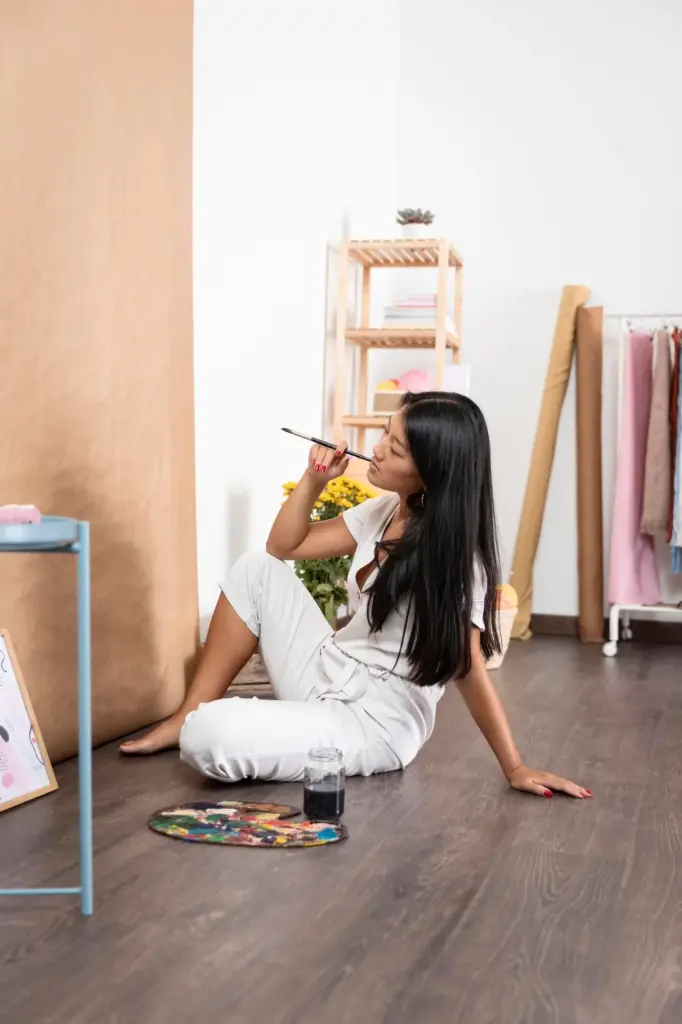
A serene aesthetic can align with cleaner chemistry. Choose soft palettes that rely on zero-VOC bases, celebrate natural textures, and favor responsible woods and uncoated metals. Biophilic accents—light, greenery, and organic forms—invite restoration. Invite conversation, too: share your experience, ask questions, and subscribe for room-by-room guides that help you refine comfort gradually and sustainably.
Kepolelupozikikipu
Privacy Overview

This website uses cookies so that we can provide you with the best user experience possible. Cookie information is stored in your browser and performs functions such as recognising you when you return to our website and helping our team to understand which sections of the website you find most interesting and useful.