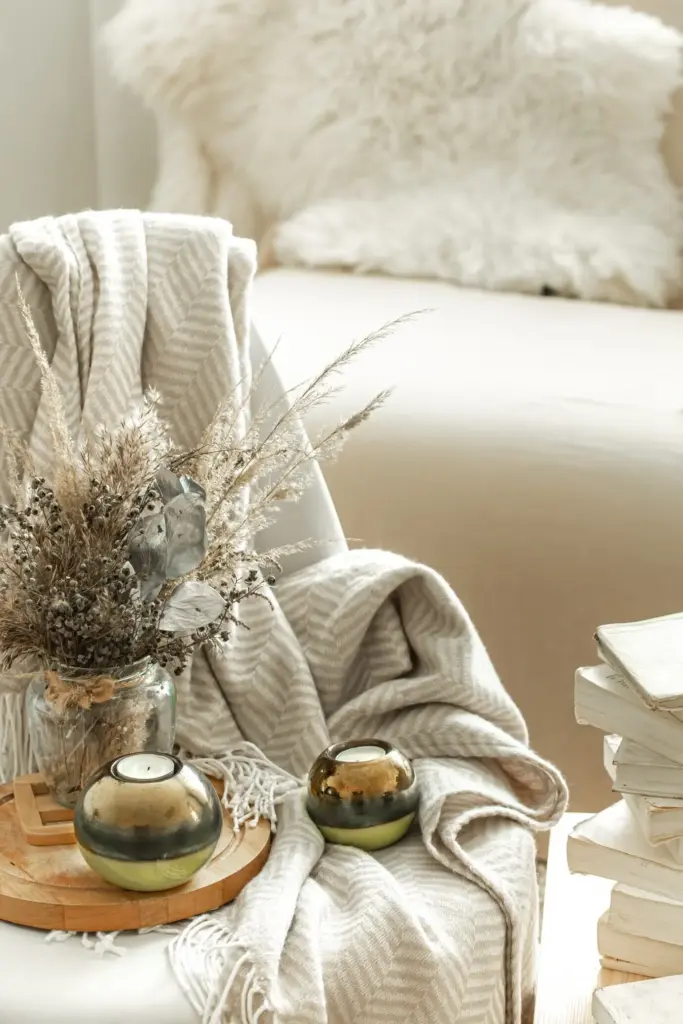
Naturally Revive Wood, Leather, and Fabric Furnishings

Today we dive into natural cleaning and conditioning methods for wood, leather, and fabric furniture, translating timeless, low-tox recipes into practical routines you can trust. Expect simple ratios, careful patch testing, and warm stories from real homes, so your favorite pieces look beautiful, smell clean, and last longer with gentler care. Join the conversation, ask questions, and share your own tricks.

Know Your Surfaces: Material Science Made Friendly

Understanding how wood grain, leather finishes, and woven fabrics respond to moisture, oils, and friction transforms cleaning from guesswork into confident care. We explore porosity, pH, dyes, and finishes, helping you choose plant-based soaps, waxes, and oils thoughtfully, minimize residue, and prevent stains. With a few mindful habits and gentle tools, everyday maintenance becomes easier, safer, and more rewarding for your home and the planet.

Wood Care Recipes That Feed, Shine, and Protect
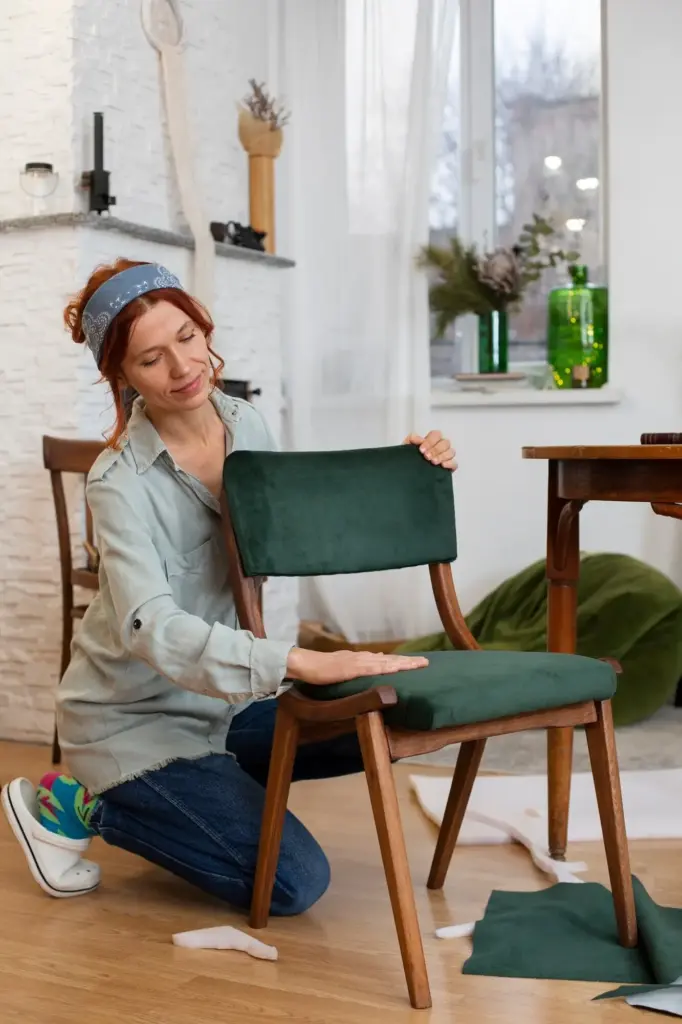
Daily Dust and Lift: Distilled Water, Castile, and a Soft Cloth

A fine mist of distilled water with a drop or two of unscented castile soap loosens fingerprints without swelling wood. Lightly spray the cloth, not the furniture, wipe with the grain, and follow immediately with a dry microfiber buff. This routine removes sweat salts and kitchen film gently, preserving finish clarity while keeping dust from bonding into stubborn, waxy layers that demand heavier interventions.

Nourishing Polish: Jojoba, Fractionated Coconut, and Beeswax Harmony

A fine mist of distilled water with a drop or two of unscented castile soap loosens fingerprints without swelling wood. Lightly spray the cloth, not the furniture, wipe with the grain, and follow immediately with a dry microfiber buff. This routine removes sweat salts and kitchen film gently, preserving finish clarity while keeping dust from bonding into stubborn, waxy layers that demand heavier interventions.

Water Rings and Heat Marks: Gentle Rescues That Respect Finish

A fine mist of distilled water with a drop or two of unscented castile soap loosens fingerprints without swelling wood. Lightly spray the cloth, not the furniture, wipe with the grain, and follow immediately with a dry microfiber buff. This routine removes sweat salts and kitchen film gently, preserving finish clarity while keeping dust from bonding into stubborn, waxy layers that demand heavier interventions.

Leather Care Without Compromise
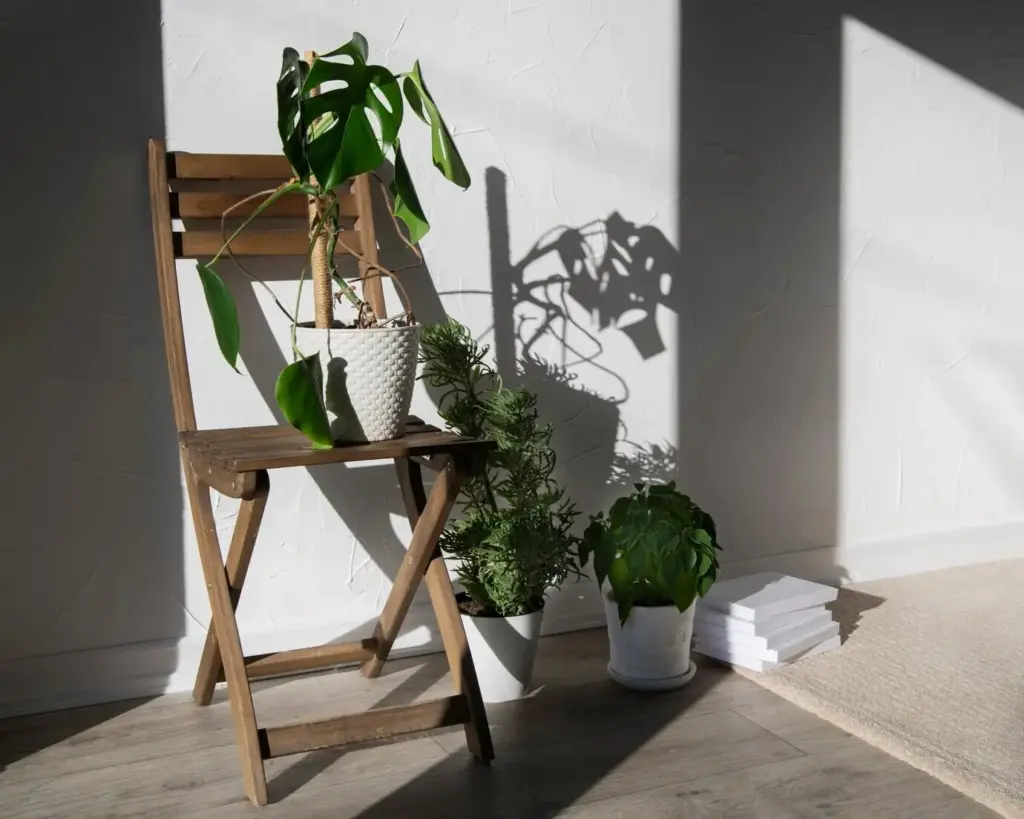
Natural care for leather prizes light touch, breathable nourishment, and careful restraint. We favor distilled water, a mild, glycerin-leaning soap, and conditioners based on jojoba, lanolin, and beeswax in conservative amounts. Olive oil and vinegar cocktails are romantic but risky, often causing oxidation, dark spots, or tacky films. With patient drying and soft buffing, you can restore suppleness without smothering the hide.

Spot Cleaning Ritual: Suds, Blotting, and Calm Drying

Whip a tiny bowl of suds from distilled water and a mild soap, lift foam onto a barely damp cloth, and tamp stains without flooding seams or piping. Blot with dry cotton, then allow slow air-drying away from heaters and sun. Finish with a feather-light buff to realign sheen. This keeps salts from crystallizing, prevents tide lines, and prepares the surface for minimal conditioning.

Conditioning Balm: Jojoba, Beeswax, and a Breathable Finish

Melt beeswax gently, blend with jojoba and a hint of lanolin, then cool to a thin, creamy consistency. Massage a rice-grain amount per palm-sized area, pause ten minutes, and buff until the surface feels dry, never greasy. The result is quiet flexibility and a natural, satin glow. Repeat sparingly across seasons, and avoid suede or nubuck, which demand dry methods and specialist attention.

Deodorize and Lift: Baking Soda, Vacuum Paths, and Patience

Sprinkle a thin, even veil of baking soda, massage gently with a soft brush, and wait thirty to sixty minutes before vacuuming with overlapping passes. The powder neutralizes stale aromas and releases dry soils that clog weaves. Follow with a clean upholstery tool to smooth nap. This slower method reduces the need for wet cleaning, preserving internal padding and keeping edges crisp and supportive.

Targeted Cleaning: Castile Soap, Club Soda, and Controlled Moisture

Mix a quart of distilled water with a quarter-teaspoon of unscented castile soap, then pre-dampen a cloth with plain club soda. Work from the outside of the spot inward, alternating soap wipes with club soda rinses, and finish with dry towels pressed firmly. Prop cushions vertically for airflow, rotate them once, and resist scrubbing, which distorts fibers and raises fuzzy pilling you cannot fully reverse.

Delicates and Naturals: Linen, Wool, and Viscose Care Clarity

Linen relaxes when lightly damp but creases permanently if twisted; wool must avoid alkalinity and heat; viscose loses strength when wet. For these, limit liquids, favor vacuuming and blotting, and engage cool fans to speed safe evaporation. If color lifts during a hidden test, stop and consult textile guidance. Gentle restraint today saves texture, drape, and long-term resilience your future self will appreciate.

Safety, Ratios, and Patch Testing You Can Trust

Good intentions need great guardrails. Measured ratios prevent residue, patch tests protect finishes, and labeled bottles reduce mistakes. Work with distilled water, fragrance-free soaps, and food-safe oils when possible, avoid open flames around melted wax, and ventilate citrus solvents. Keep recipes small to limit rancidity, document results with phone photos, and store balms in cool, dark places away from curious pets and kids.

Maintenance Habits That Save Time and Furniture

Routine trumps rescue. Five quiet minutes each week—dusting wood, vacuuming seams, checking coasters and felt pads—prevent hours of correction later. Seasonal rhythms matter too: humidity control keeps panels flat and leather supple; curtain adjustments limit fading; cushion rotation shares wear. Build a simple checklist, keep supplies handy, and celebrate small wins that compound into a beautifully cared-for home.
Set a midweek timer, grab a dry microfiber for wood and a crevice tool for upholstery, and work methodically from high to low. Wipe handles, railings, and chair backs where hands touch most. Finish by buffing conditioned pieces to revive sheen without additional product. These tiny touch-ups interrupt grit buildup, a major cause of micro-scratches, and keep everything camera-ready for spontaneous gatherings.
Spring invites deeper inspections: tighten screws, wax drawer runners, and refresh protective balms. In summer, shield leather from direct sun and manage humidity around fifty percent to prevent drying. Autumn favors conditioning before heaters start; winter calls for extra coasters and throw blankets that protect arms. Mark calendars, and pair rituals with music or tea so upkeep becomes comforting rather than a chore.

Stories, Community Wisdom, and Gentle Troubleshooting

Real homes teach the best lessons. A yard-sale table regained warmth with patient buffing; a scuffed club chair relaxed after tiny doses of balm; a musty sofa revived through airflow and baking soda. We share the steps, the missteps, and the joy of progress, then invite your questions and insights. Comment, subscribe, and help shape next week’s experiments and improvements together.
Kepolelupozikikipu
Privacy Overview

This website uses cookies so that we can provide you with the best user experience possible. Cookie information is stored in your browser and performs functions such as recognising you when you return to our website and helping our team to understand which sections of the website you find most interesting and useful.